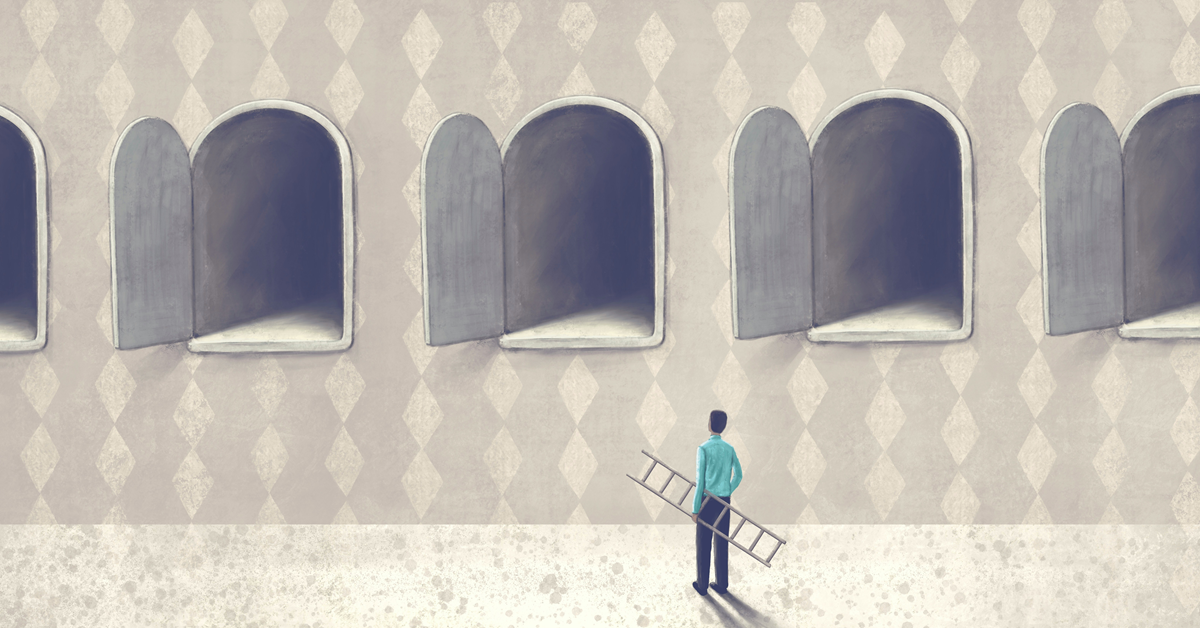
There’s a quiet shift that happens when a draft moves from something you’re exploring to something that needs shape once you’ve reached the edge of what you can see on your own.
Many writers wait until everything feels polished before seeking support, but in reality, developmental editing sits much earlier in the process. It meets your story while it’s still evolving in parts and open to possibilities.
So how do you know you’re there?
Often, it looks like this:
- You’ve completed a full draft, even if parts feel uneven or unfinished
- You’ve gone back through it and made your own revisions
- You sense that something isn’t quite working, but you can’t fully name it
- You find yourself circling the same sections without making real progress
- You’re so close to the story that perspective has become difficult
- You’re ready for honest, thoughtful input that will move the work forward
That last point matters more than most, as developmental editing is about expansion. It’s a process that helps you see the deeper structure of your story: the patterns, the gaps, the moments that carry weight, and the ones that could carry more.
Sometimes the signs are more subtle
- You might feel a loss of momentum
- You might be questioning decisions you were once certain about
- You might sense that your characters aren’t quite landing with the emotional depth you intended
- Perhaps your story works in parts, but not yet as a whole
This is where a second pair of eyes becomes less of a luxury and more of a turning point. Because when you’ve lived inside a manuscript for so long, it’s natural for certain things to disappear from view. What feels obvious to you may not yet be clear on the page, and what feels fully developed may still need space to breathe.
A developmental edit helps you step back and see your work as a reader would, while still honouring your voice and your intention. It can:
- Bring structure without taking ownership away from you
- Ask the right questions, rather than imposing answers
- Support the story you’re trying to tell, not a version of it that doesn’t belong to you
Your manuscript doesn’t need to be perfect
It just needs to be complete enough for someone else to step into it.
If you’ve taken your story as far as you can on your own, it’s not a sign of failure. It’s a sign you’ve reached the point where further growth needs to happen – through dialogue, reflection, and a more objective lens.
That’s where developmental editing begins.
To find out more about the process, visit my Services page here.
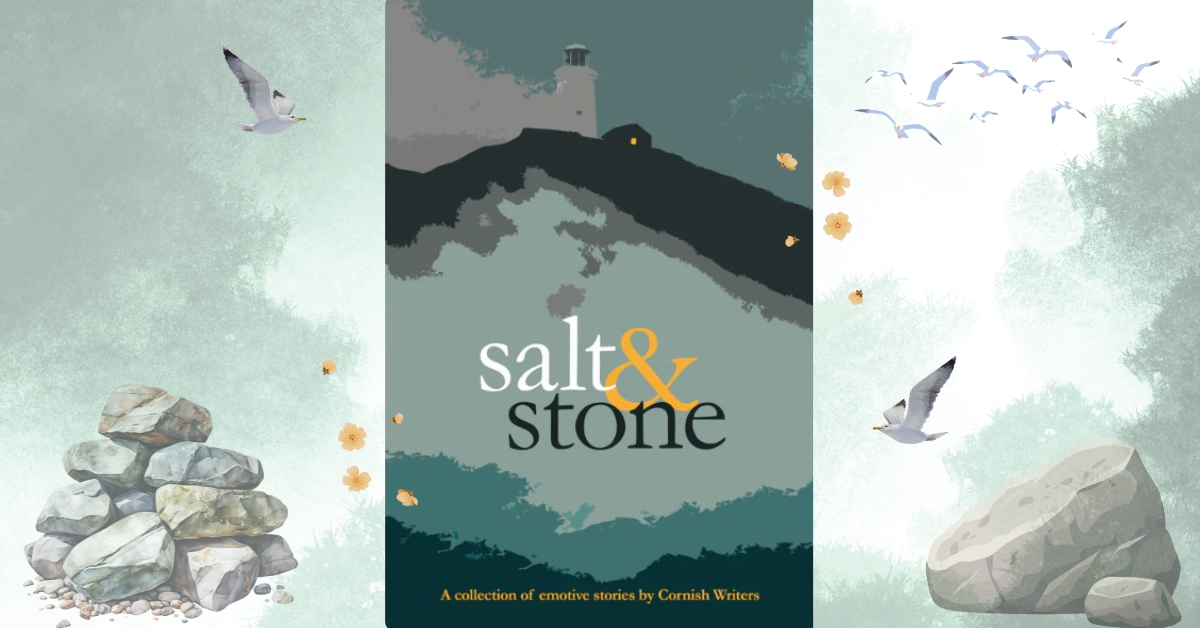
The story behind Saltwater Grounding, a Cornwall short story inspired by perimenopause, women’s resilience, and the need to tell stories that often go unheard. Featuring in an anthology by Hermitage Press called Salt and Stone, it launches this May at the Cornish Indie Book Festival.
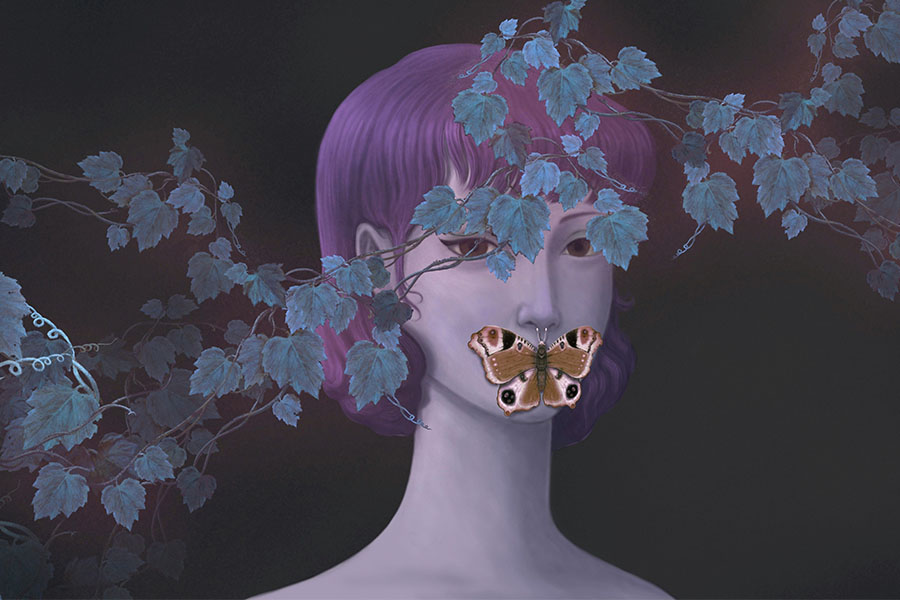
A clear, compelling premise and narrative question help novels shine. Learn how a developmental editor can help you find them and shape your story.
Explore the difference between plotters and pantsers—featuring writing tips, author insights, and tools to help your story take shape.